Roux Art Appraisals
Art Valuation Presentations for Professionals
Lunch and learns, coffee sessions and afternoon trainings for law, accounting and wealth advisory firms
Veronika Roux-Vlachova, ISA · FRSA
Why it matters
Art appears in more client files than most professionals expect
Yet few advisors are trained to recognize when a work of art needs an independent valuation, or what a sound appraisal should contain.
Your presenter
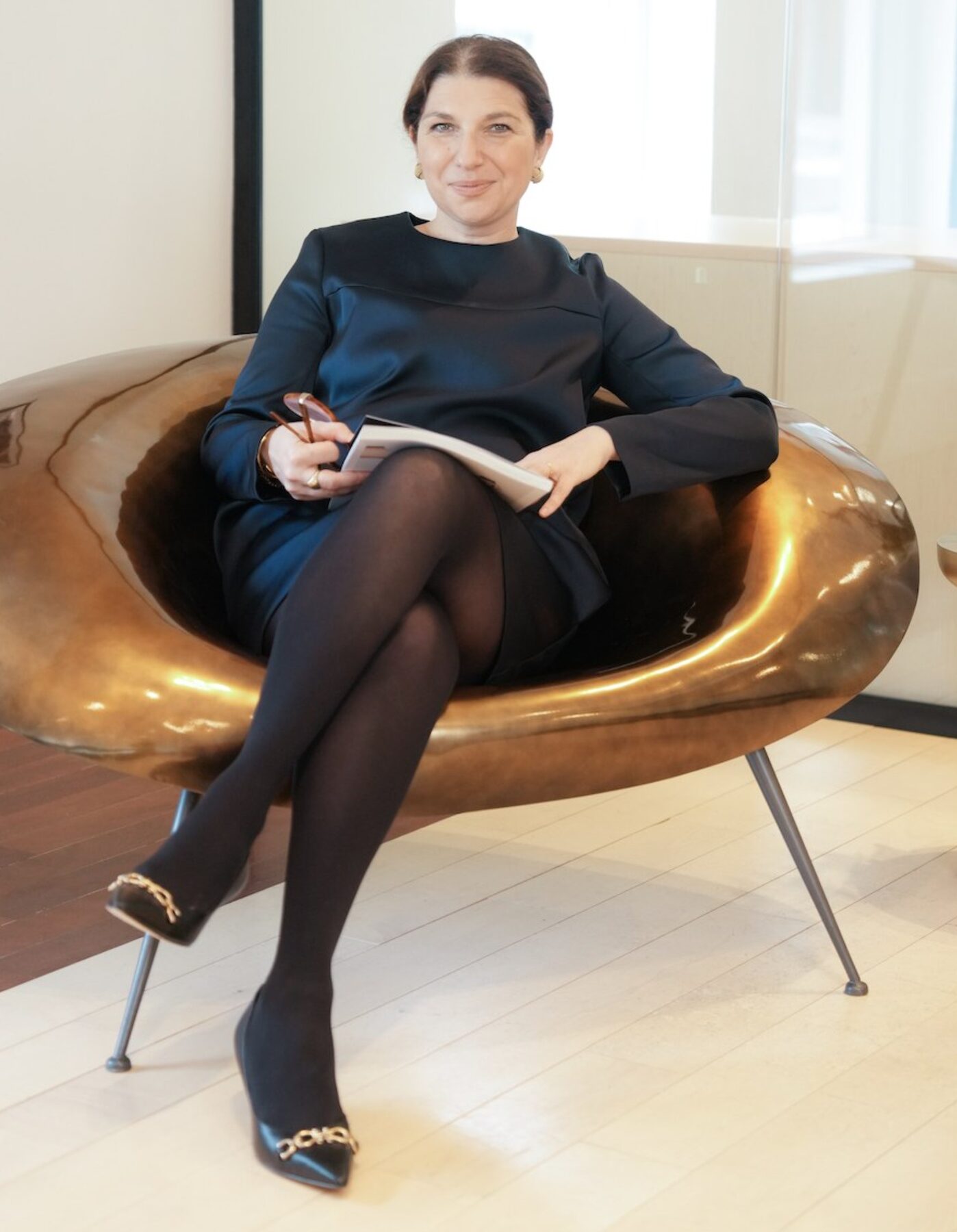
Veronika Roux-Vlachova
Founder of Roux Art Appraisals, an art appraisal and collection management boutique with offices in Montréal and Paris. Veronika brings an analytical foundation shaped by an early career on Wall Street, and works with lawyers, notaries, accountants and wealth managers on estate, insurance and collection files.
- Certified Member, International Society of Appraisers
- Reports compliant with USPAP, for use in Canada and the U.S.
- Fellow of the Royal Society of Arts, London
- Services in English, French and Czech
Formats
Three ways to bring a session to your team
Lunch and learn
A focused presentation followed by questions, for teams wanting an overview of one topic.
Coffee session
An informal, conversational format for smaller groups or client events.
Afternoon training
An in-depth workshop with case studies, sample reports and group discussion.
In French or English · in person or online · from a small team to a firm-wide event
Topics · Valuation and advisory
When art meets the client file
- 01
Art in estates and successions
Identifying works that need an appraisal, choosing the right type of value, timing, and dividing a collection fairly among heirs.
- 02
Art in family law and asset division
Why independent valuations matter in contested files, and how to avoid disputes over value, ownership and authenticity.
- 03
Insurance value vs. fair market value
Why the same painting carries different values by purpose, and the risks of underinsured or outdated collections.
- 04
Reading an appraisal report
What a credible appraisal must contain, how USPAP standards protect clients and advisors, and when to seek a second opinion.
- 05
Art, philanthropy and tax
How gifts of art to institutions work, and the role of independent appraisals in charitable receipts.
- 06
Provenance, authenticity and due diligence
Why provenance affects value and title, and the warning signs of forgeries or unclear ownership.
- 07
Art as an asset class
How collectors and family offices approach art in a portfolio, and the true costs of ownership.
- 08
The Quebec and Canadian art market
The artists and movements that drive value locally, and how regional works perform at auction.
- 09
Collection management for clients
How cataloguing and regular updates protect value, simplify estate planning and speed up claims.
Topic 10
Canadian Impressionism and early modern painting
How these painters captured the Canadian landscape and city life, alongside the Group of Seven and Montréal’s Beaver Hall Group, and why their works remain among the most sought after at Canadian auctions.
Artists to know
- Maurice Cullen
- Marc-Aurèle de Foy Suzor-Coté
- Clarence Gagnon
- James Wilson Morrice
Topic 11
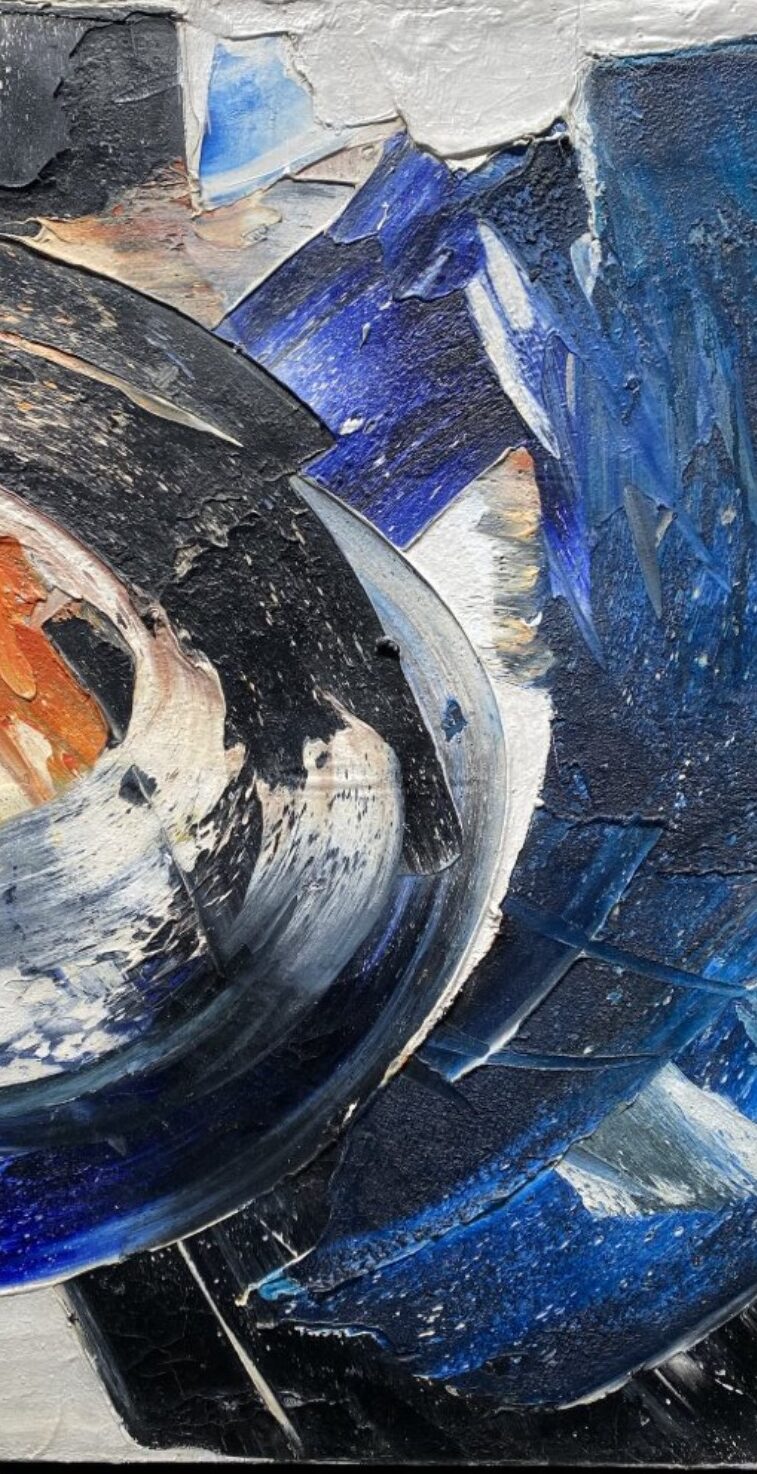
The Automatistes and the Refus global
The artists behind the 1948 manifesto that transformed art and society in Quebec: how the movement developed, its links to Paris and international abstraction, and how the market has evolved, from Riopelle’s major sales to growing interest in lesser-known members.
Borduas · Riopelle · Leduc · Ferron
Topic 12
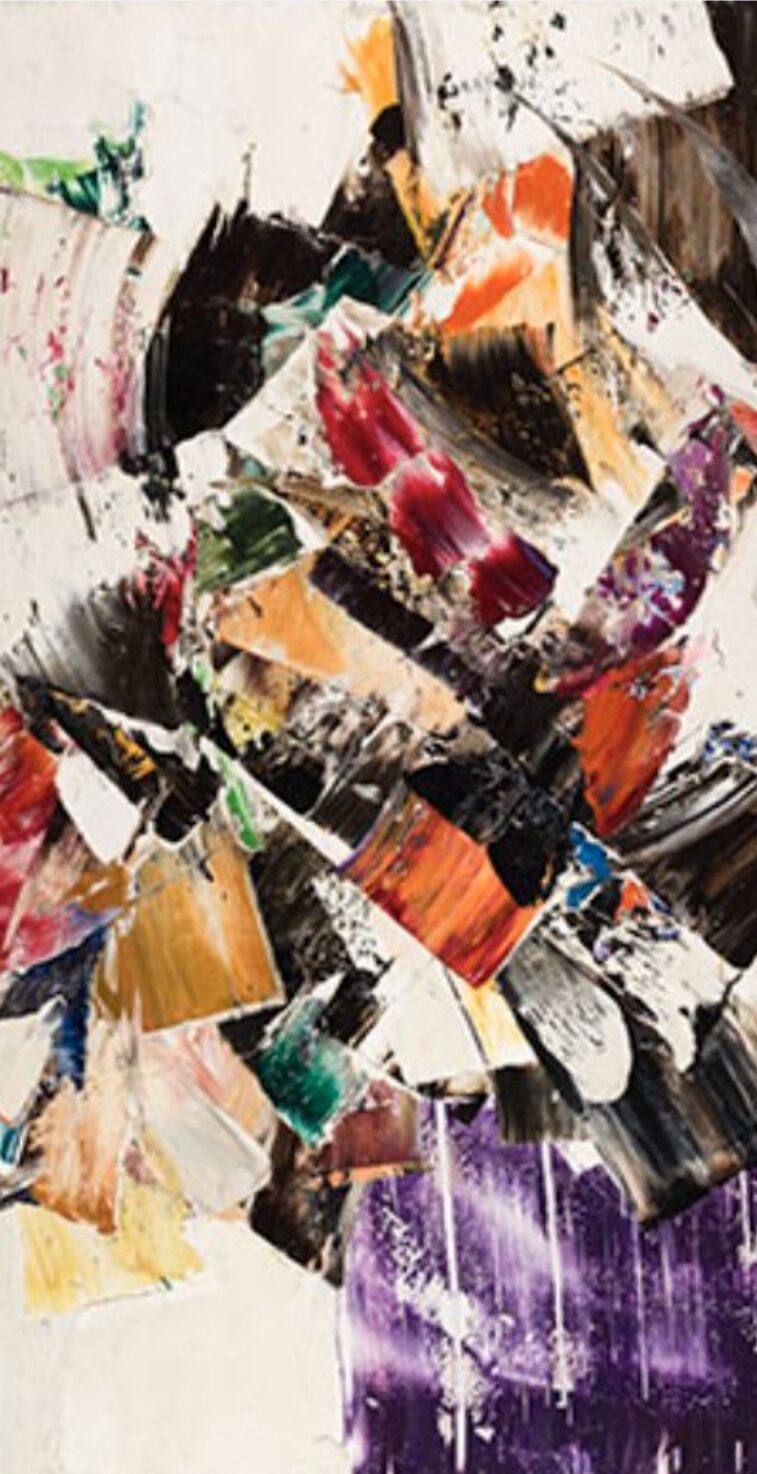
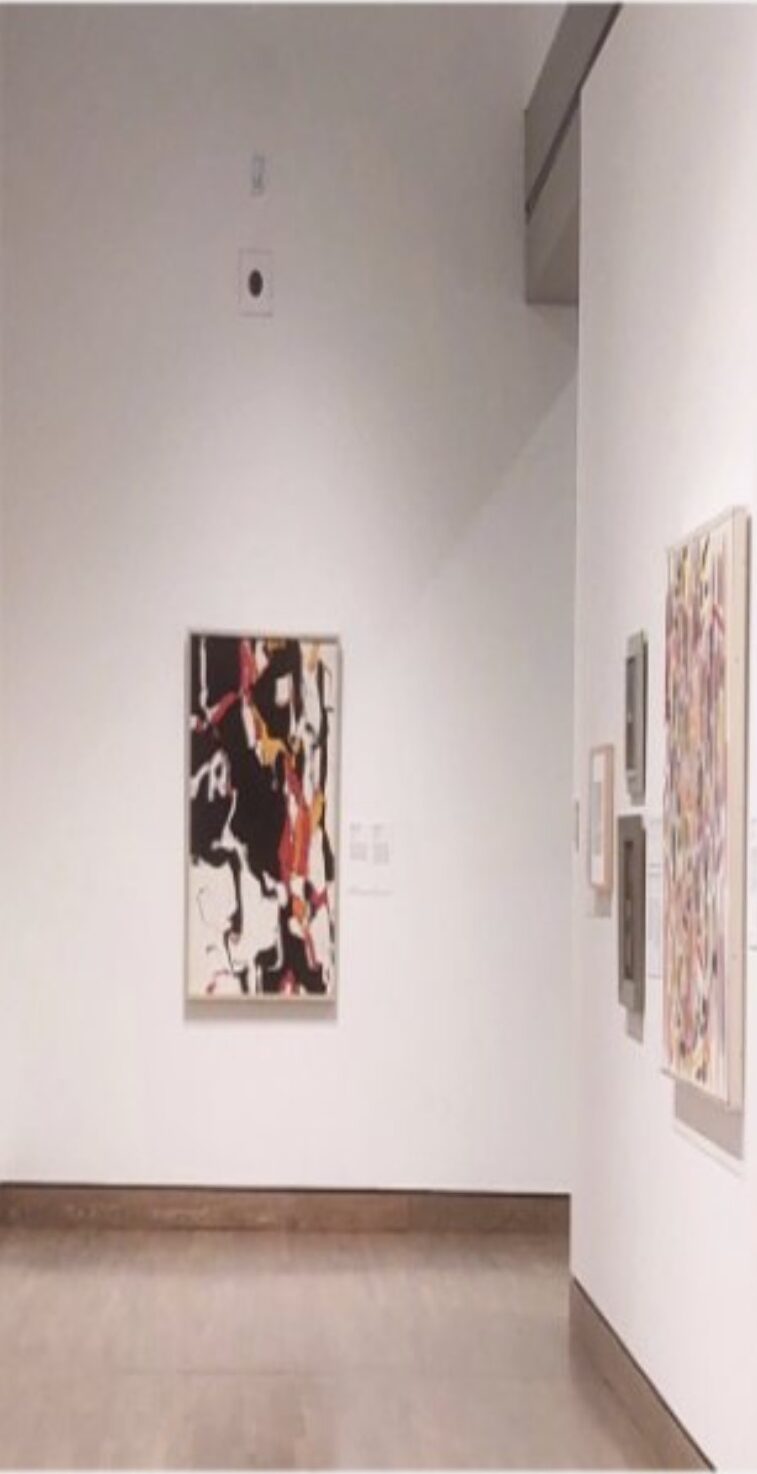
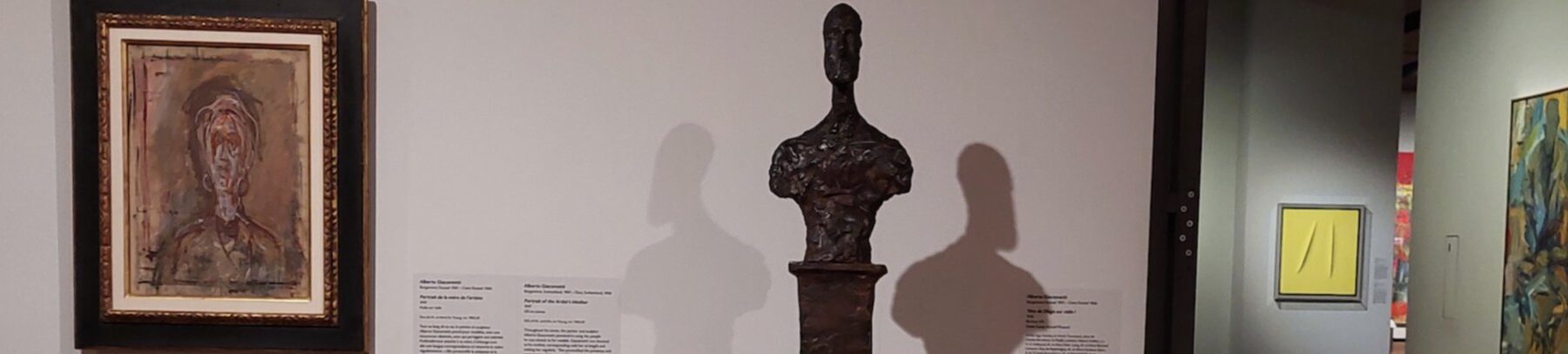
The Plasticiens, the Pluralistes and Quebec abstraction
The generation that followed the Automatistes, from the geometric rigour of the Plasticiens to the Pluralistes and the varied approaches of later Quebec abstraction: how each movement defined itself, the key artists to recognize, and where opportunities and risks lie in today’s market.
Molinari · Tousignant

Topic 13
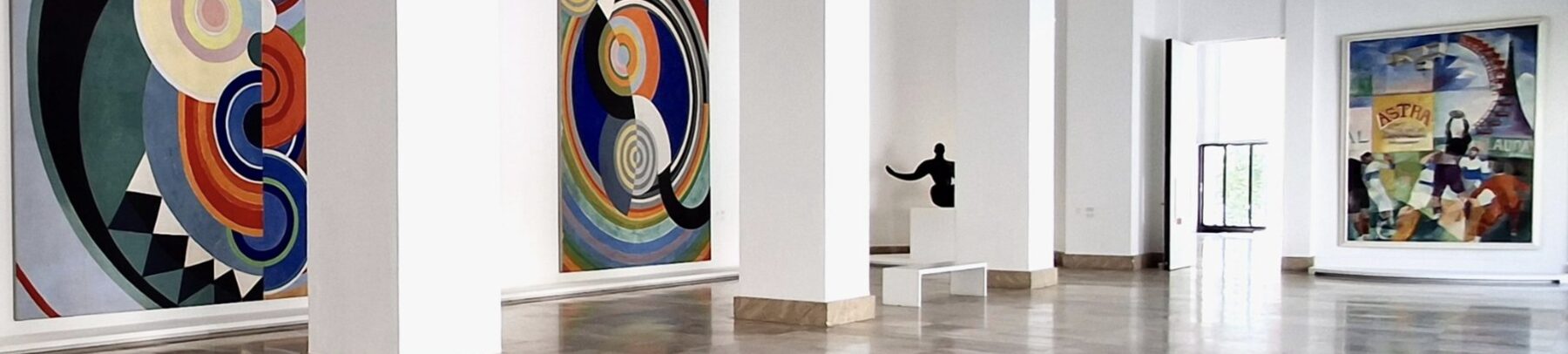
French modern art and the School of Paris
From Impressionism and Post-Impressionism to Fauvism, Cubism and the School of Paris: how French works appear in Canadian collections, what drives their value, and why authentication and catalogues raisonnés matter.
Monet · Renoir · Matisse · Dufy · Léger · Chagall · Modigliani
Topic 14
International modern movements
The great movements of 20th-century modern art and how art and design came together to shape the way we live, how they connect to Canadian art, and what collectors and advisors should know about the international market.
Bauhaus · De Stijl · Expressionism · Abstract Expressionism · Lyrical abstraction
Topic 15
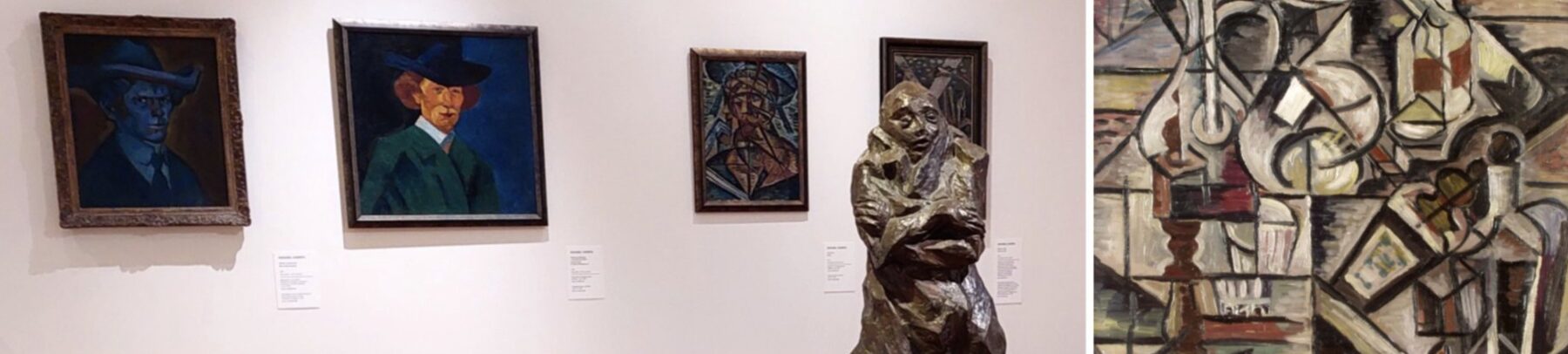
Central and Eastern European modernism
An often overlooked chapter of modern art, from Czech Cubism and František Kupka, a pioneer of abstraction, to the avant-garde of Prague and Vienna; how émigré families brought these works to Canada, and why they deserve careful identification and valuation.
Kupka · Czech Cubism · Prague and Vienna
Topic 16
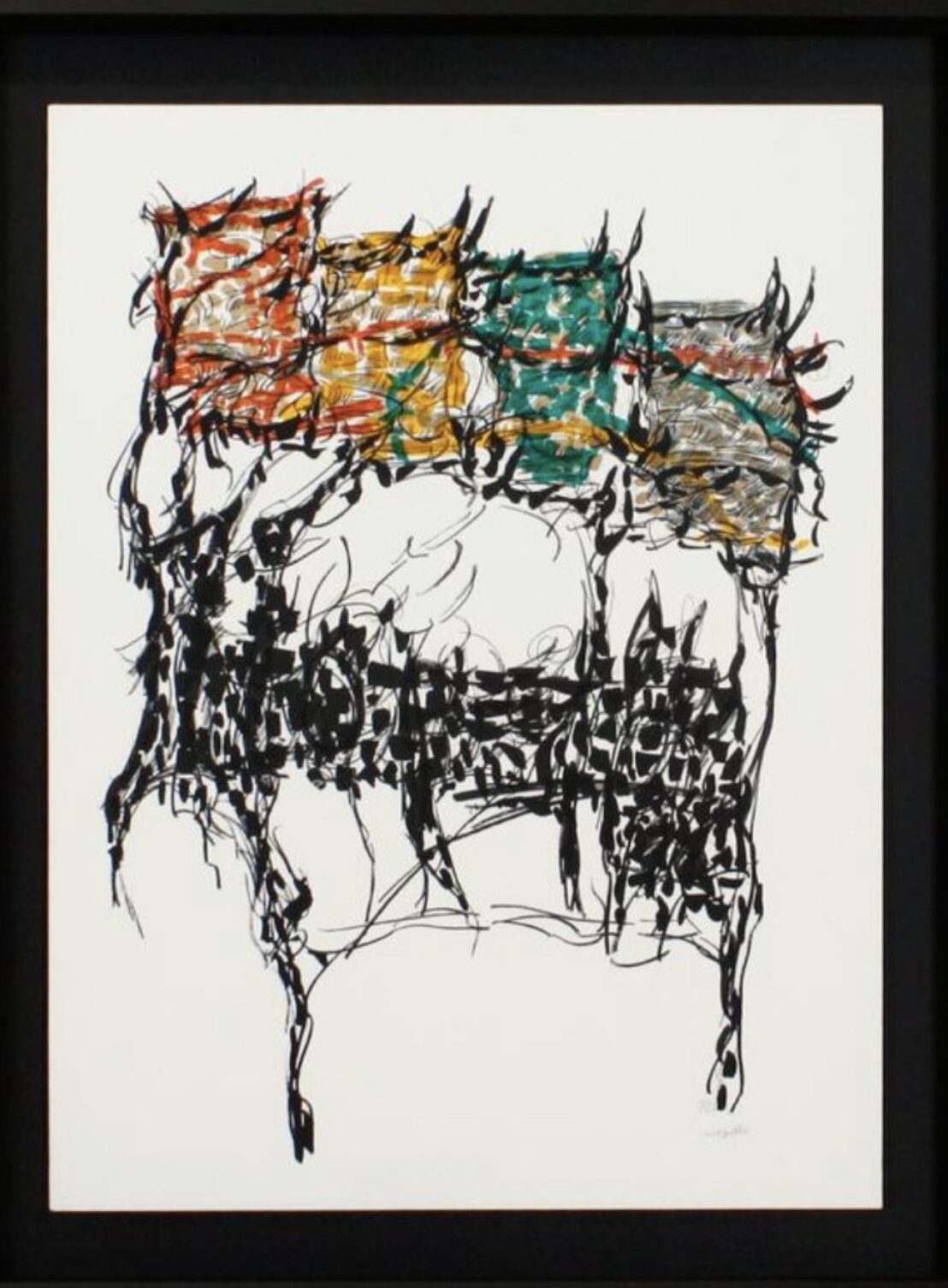
Prints, multiples and works on paper
How to tell an original print from a reproduction, what editions, signatures and states mean, and why works on paper by major artists are often misidentified in estates.
Topic 17
Decorative arts and design
Mid-century modern furniture, silver, glass and design objects, and how to recognize valuable pieces that are often overlooked in homes and estates.
Tailored to your firm
Every session is built around your team’s files and your clients’ questions
Before each session, we discuss your practice and the questions that come up most often, and adjust the content and examples. Topics can be combined, for example estates with insurance values, or presented as a series over several months.
What participants take away
Confidence with art in every client file
Recognize when a work of art needs a professional appraisal
Understand the different types of value and when each applies
Review an appraisal report with confidence and spot gaps
Gain a trusted resource for files involving art and collections
Roux Art Appraisals
Organize a session
Veronika Roux-Vlachova
Email VeronikaMontréal · Toronto · New York · London · Paris